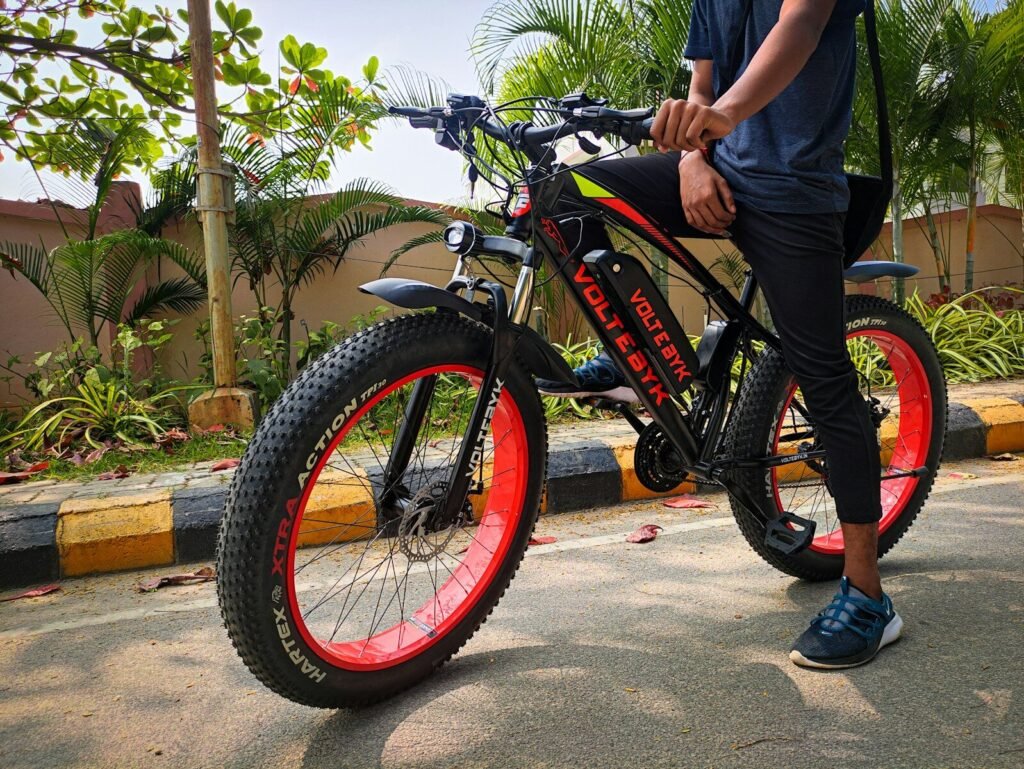
The Two-Wheel Revolution on Indian Streets
Picture the morning rush hour in almost any Indian city: bumper-to-bumper traffic, relentless honking, and rising heat. Now imagine gliding right past that gridlock effortlessly, without breaking a sweat or burning through costly fuel.
That vision is quickly turning into an everyday reality. Across bustling metros and smaller towns alike, the rise of electric cycles in India is sparking a quiet transformation on our roads. Modern commuters are rethinking how they navigate their daily routes, and the shift is hard to miss.
For years, getting around meant two main choices: squeezing into packed local trains and buses, or dealing with the soaring petrol prices and maintenance headaches of a motorbike. Today, urban riders are discovering a much smarter middle ground. Electric cycles deliver the breezy freedom of a traditional bicycle, but with a battery-powered boost that takes the pain out of steep flyovers and sweltering summer afternoons.
You get to bypass sluggish traffic jams, skip the daily nightmare of hunting for a parking spot, and arrive at your destination refreshed rather than exhausted. It is convenient, reliable, and easily one of the most practical upgrades to urban travel in years.
How an Electric Cycle Actually Works
At its core, an e-cycle is simply a traditional bicycle equipped with three clever additions: a motor, a battery, and a controller. Together, they take the struggle out of cycling without taking away any of the fun.
The way you ride usually comes down to two simple modes. First is the pedal-assist system. As you pedal, smart sensors detect your movement and feed in motor power to match, making steep flyovers feel completely flat. If you feel tired or just want to cruise, switch to throttle mode. Much like a regular scooter, you twist the handlebar grip and let the bike do all the work while you rest your feet.
Driving this motion is typically a compact hub motor fitted inside the wheel. It draws power from a lightweight lithium-ion battery pack designed for daily durability. Living with one is remarkably straightforward: you do not need dedicated charging stations or industrial sockets. Most electric cycles in India come with detachable batteries that you can unlock with a key, bring indoors, and plug into any standard 5-amp home wall socket. In three to four hours, you are fully charged and ready to roll again.
Big Benefits: Pocket Savings, Fitness and Clean Air
Switching to an electric cycle brings an immediate sigh of relief to your monthly budget. While petrol prices keep climbing, charging a battery at home costs virtually nothing. Most electric cycles in India cost roughly 7 to 10 paise per kilometer to run. Compare that to a petrol scooter or motorcycle, which can easily burn two to three rupees over the exact same distance, and the pocket savings add up fast. You also skip steep servicing bills, oil changes, and expensive parking fees.
Beyond the financial perks, you get total control over your physical well-being without the dread of arriving at work exhausted and drenched in sweat. Traditional bicycles offer a great workout, but pedaling through stop-and-go traffic under a harsh sun can test anyone’s patience.
With an e-cycle, you decide when to break a sweat. You can pedal manually on cool mornings to get your daily dose of cardio, then dial up the motor assistance when tackling steep flyovers or navigating the midday heat. It creates a seamless balance between fitness and pure convenience, letting you stay active on your own terms while quietly cutting tailpipe emissions out of your daily routine.
Key Features to Check Before You Buy
Shopping for electric cycles in India means looking past the flashy paint jobs and digging into the specs that actually matter on our roads. First up is the battery range. Brands often advertise ideal numbers tested on flat tracks, but real life includes flyovers, potholes, summer heat, and stop-and-go traffic. A good rule of thumb is to expect roughly twenty percent less than the claimed range. Look for a certified lithium-ion battery with a solid warranty of at least two years to handle high ambient temperatures.
Next, focus on the core hardware. Because e-bikes carry a motor and battery, they are noticeably heavier than standard bicycles. An aluminum alloy frame strikes a great balance, giving you durability without making the cycle impossible to lift up a flight of stairs.
For stopping power, choose front and rear disc brakes over standard rim brakes. That extra motor assistance means you need reliable braking, especially during sudden monsoon showers or chaotic traffic. A front suspension fork is also worth every rupee for smoothing out broken tarmac and speed breakers. Finally, make sure the brand has an accessible local service network, because prompt access to spare parts and battery technicians will keep your daily commute stress-free.
Budgets, Brands and Choosing the Right Fit
When shopping for electric cycles in India, your budget usually dictates the frame material, battery capacity and overall comfort. Knowing what fits your lifestyle saves you from overspending or ending up with an underpowered ride.
Most buyers start in the entry-level bracket, typically ranging between ₹20,000 and ₹30,000. These are straightforward city commuters with sturdy steel frames, modest battery packs and single-speed setups, perfect for flat, daily neighborhood errands. If you need more versatility, the mid-range tier between ₹30,000 and ₹50,000 offers hybrid models. Here, you get lightweight aluminium frames, front suspension to soak up potholes, multi-speed gears and longer range. For those with tight apartment spaces or multi-modal commutes, compact folding e-bikes sit around the ₹40,000 to ₹60,000 mark.
Homegrown brands dominate the local scene. Established names like Hero Lectro offer massive service networks and reliable basic commuters, while newer players like EMotorad and Toutche push boundaries with smart app connectivity and sleek, removable batteries. Choosing these Indian brands ensures you get frames built tough for local road conditions, alongside easy access to spare parts and prompt after-sales support without the headache of dealing with expensive imports.
Ready to Roll: Your Next Steps to Greener Travel
Taking care of an e-bike is surprisingly straightforward, and a few basic habits will protect your investment for years. Treat your battery with care: avoid draining it completely to zero, and charge it in a cool, shaded area rather than under the scorching afternoon sun. Wipe down the frame after dusty rides, keep your tyre pressure topped up weekly, and lubricate the chain regularly. These simple checks ensure your ride stays whisper-quiet, safe, and efficient.
Before you make a purchase, always book a test ride. Spec sheets cannot tell you how comfortable the saddle feels or how smoothly the motor responds when you hit an incline. Visit a local dealership, test both the throttle and pedal-assist modes, and choose a frame geometry that matches your height and posture.
The rise of electric cycles in India is a refreshing shift toward cleaner, healthier, and far more joyful city living. You skip gridlocked traffic, cut your monthly travel expenses to almost nothing, and leave zero tailpipe emissions in your wake. The smartest way to transform your daily commute is waiting on two wheels: find the right fit, hop on, and enjoy the boost.